What Happens on a Construction Site Before Framing Begins
When people see a building under construction, framing is often the first stage that clearly looks like a structure taking shape. Walls rise, floors become visible, and the project suddenly looks like a building.
However, long before framing begins, a significant amount of work has already taken place on the site. These early phases of construction are critical because they establish the structural foundation, underground infrastructure, and site conditions that the rest of the building depends on.
Understanding what happens before framing helps explain why construction projects require careful planning and why early site work plays such an important role in the long-term performance of a building.
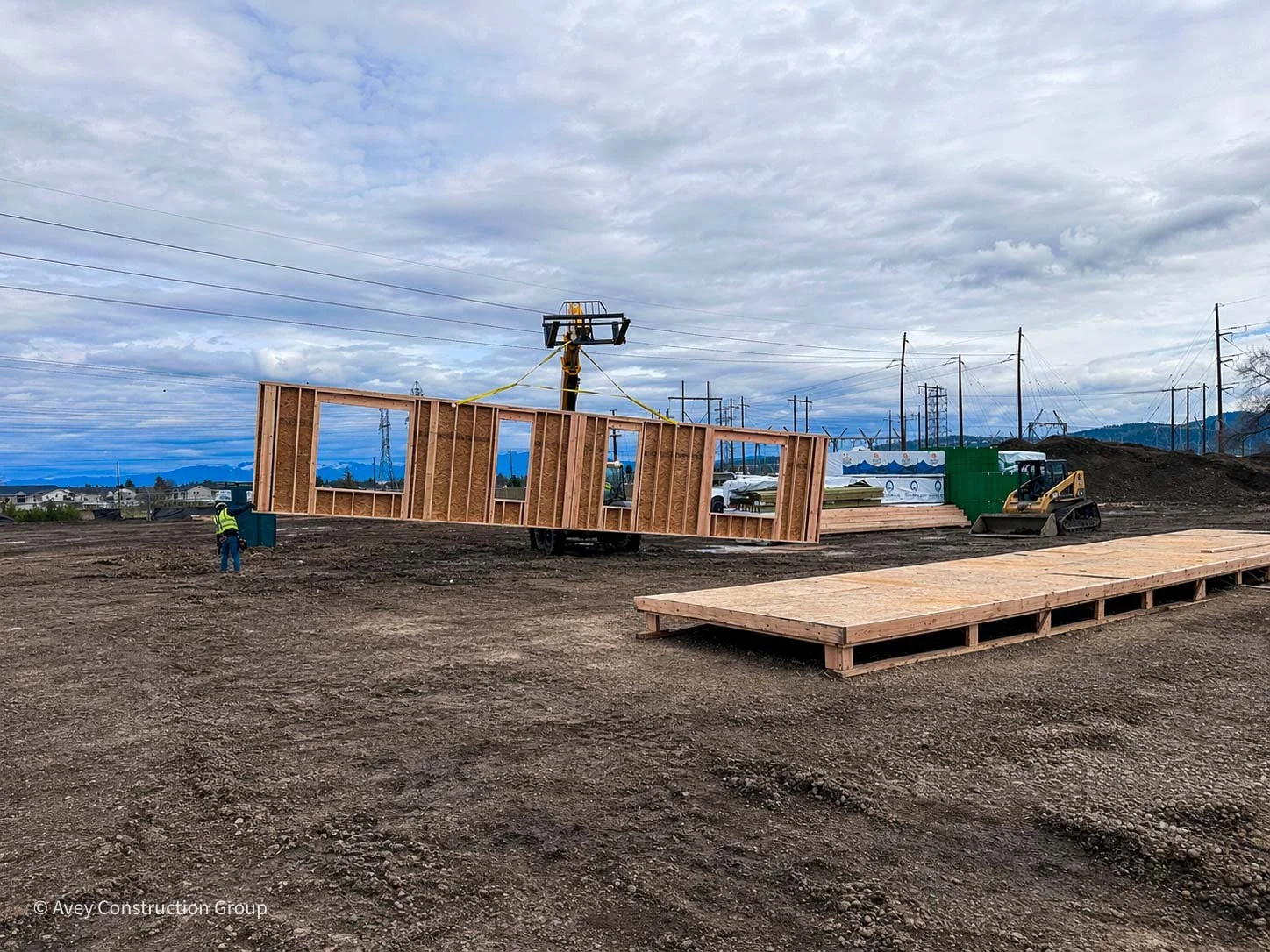
Havana Apartments, Spokane WA
Site Preparation and Initial Planning
Before any construction activity begins, the site must be prepared and verified according to engineering plans and permits.
This phase typically includes:
reviewing construction drawings and engineering plans
confirming property boundaries and setbacks
coordinating permits and inspections
preparing access for construction equipment
Surveyors often mark the exact building location using stakes or layout markers. This ensures that the structure will be positioned correctly on the property according to the approved site plan.
Accurate site layout is essential, as it determines where excavation, utilities, and foundations will be placed.
Clearing and Preparing the Site
Once the project layout is confirmed, the next step is clearing and preparing the land for construction.
This stage may involve:
removing vegetation or trees
clearing debris or existing structures
stripping topsoil
preparing temporary access roads for equipment
Topsoil is often removed and stockpiled so it can later be reused for landscaping. Preparing the site properly allows construction equipment to operate safely and efficiently during the next phases of work.
Excavation and Grading
Excavation is one of the most important steps before framing begins. Contractors reshape the site to match the elevations specified in the engineering plans.
Excavation work may include:
digging for building foundations
preparing basement or crawl space areas
grading the site for drainage
establishing building pad elevations
Proper grading helps ensure that water drains away from the building. Poor site grading can lead to long-term drainage problems and foundation issues, which is why this stage is carefully engineered and inspected.
Underground Utilities Installation
Before a building foundation is poured, many underground utility systems must be installed.
These may include:
water service lines
sewer connections
stormwater drainage systems
electrical conduits
communication or data lines
These systems are typically placed below the future building or beneath parking areas and driveways. Installing utilities before the foundation prevents the need for disruptive excavation later in the project.
Most jurisdictions require inspections of underground utilities before work can continue.
Foundation Construction
Once excavation and utilities are completed, foundation construction begins.
The foundation is the structural base of the building and transfers the building's load into the ground. Foundation types vary depending on the design and soil conditions but may include:
spread footings
slab-on-grade foundations
crawl spaces
full basements
Foundation construction typically involves installing reinforcing steel, setting forms, and pouring concrete. After the concrete cures, the foundation walls and structural base of the building are complete.
Inspections are usually required during this stage to verify reinforcement placement and structural integrity.
Waterproofing and Drainage Systems
Before framing can begin, foundation waterproofing and drainage systems are often installed.
These systems help protect the building from moisture intrusion and may include:
foundation waterproof membranes
perimeter drainage systems
drain tile installation
sump systems where required
Proper drainage and waterproofing are critical for preventing long-term water issues around the structure.
Backfilling and Final Site Preparation
After the foundation is completed and inspected, the excavation around the structure is backfilled.
Backfilling involves placing soil back around the foundation walls to stabilize the building and restore the site to the planned grade. Compaction of the soil is important to prevent settling around the structure.
At this point, the building pad and foundation are ready for the next major stage of construction.
The Project Is Ready for Framing
Once site preparation, excavation, utilities, foundation work, and inspections are complete, framing can begin.
Framing marks the point where the building structure becomes visible above ground. Walls, floors, and roof systems are assembled, and the shape of the building starts to take form.
Although framing is often the most noticeable stage of construction, the work completed before it begins is what allows the structure to perform safely and reliably for decades.
The early phases of construction establish the foundation, infrastructure, and site conditions that support the entire project.