What the First 60 Days of a Commercial Construction Project Look Like
The early stages of a commercial construction project set the direction for everything that follows. While progress may not always be visible right away, the first 60 days are typically some of the most important in terms of coordination, scheduling, and site preparation.
During this period, the focus is on turning plans into physical progress—establishing the site, starting earthwork, and preparing for foundations. Understanding this timeline helps explain how projects move from planning into active construction.
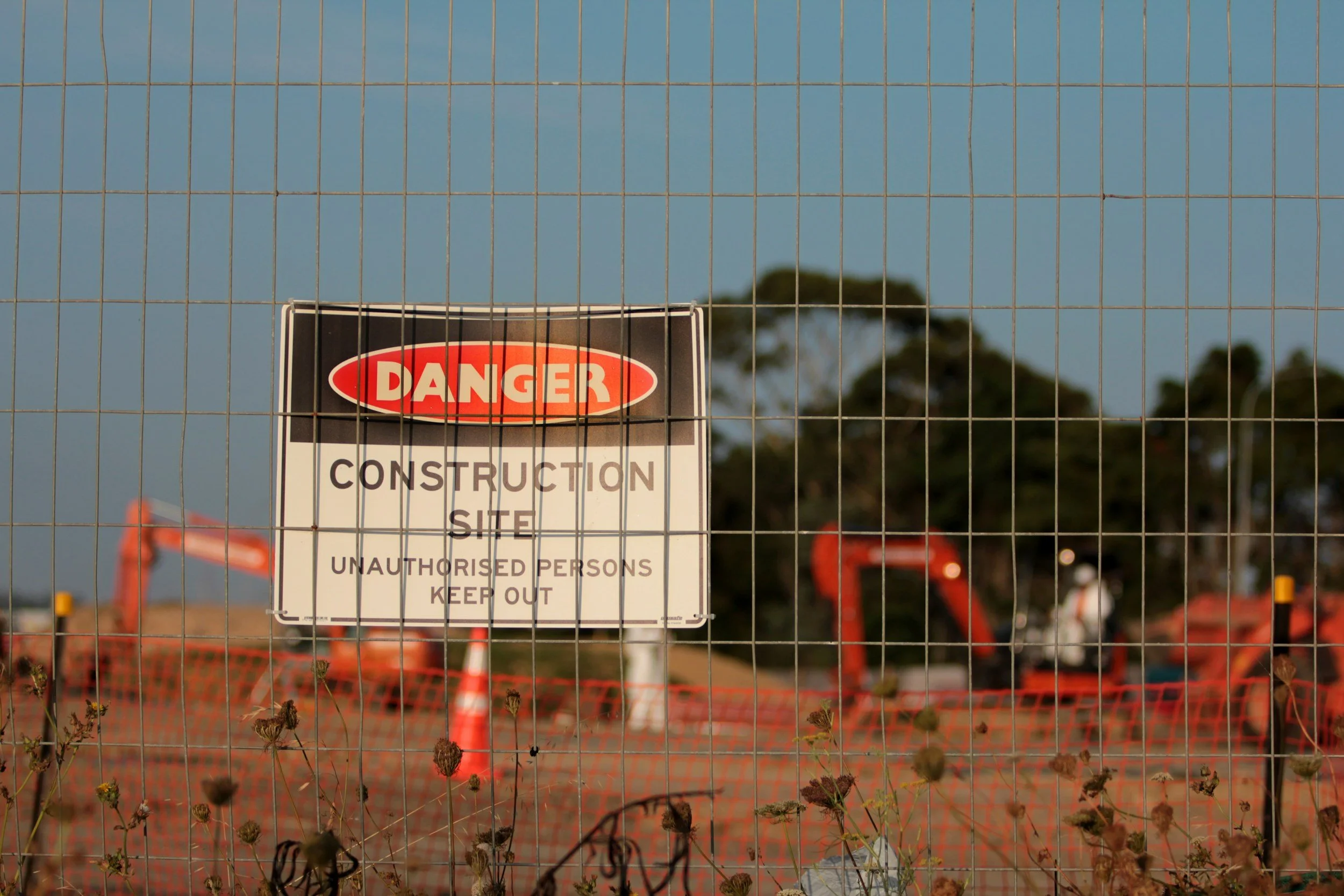
Days 1–10: Mobilization and Site Setup
The project officially begins with mobilization. This is when the construction team establishes a presence on site and prepares it for active work.
Typical activities include:
installing temporary fencing and safety signage
setting up jobsite trailers and offices
establishing access points for equipment and deliveries
coordinating initial site logistics
verifying survey layout and building positioning
Survey crews confirm building corners and elevations to ensure construction begins in the correct location. This step is critical, as it guides all future work on the project.
At this stage, visible activity is just beginning, but the project is already moving forward.
Days 10–25: Site Clearing and Earthwork Begins
Once the site is set up, physical work accelerates.
This phase typically includes:
clearing vegetation or existing structures
stripping and stockpiling topsoil
rough grading of the site
establishing haul routes and equipment access
Heavy equipment such as excavators, dozers, and loaders are active during this phase. The goal is to prepare the site for precise grading and foundation work.
Depending on site conditions, this stage can move quickly or require additional time for soil stabilization or debris removal.
Days 20–40: Excavation and Underground Utilities
As grading progresses, excavation work begins for foundations and underground systems.
This phase often includes:
excavation for footings and foundations
trenching for utilities
installation of stormwater systems
placing water and sewer lines
installing electrical conduits
Utility work must be completed early because these systems are installed below the future building and surrounding infrastructure.
Inspections are typically required before utilities are covered, which can create short pauses while approvals are scheduled.
Days 30–50: Foundation Preparation
Once excavation and utilities are in place, the project moves into foundation preparation.
This stage may involve:
forming footings and foundation walls
placing reinforcing steel (rebar)
preparing subgrade and base materials
coordinating inspections prior to concrete placement
Foundation work requires precise coordination between crews, engineers, and inspectors. Concrete placement is scheduled carefully, often depending on weather conditions and inspection approvals.
At this point, the project begins transitioning from site work to structural work.
Days 45–60: Foundation Work and Pre-Framing
Toward the end of the first 60 days, foundation construction is typically underway or nearing completion.
This phase may include:
pouring concrete footings and walls
waterproofing foundation systems
installing perimeter drainage
backfilling around the structure
preparing for slab-on-grade or structural floors
Once the foundation is complete and inspections are approved, the project is ready for framing or vertical construction to begin.
This is often when the project starts to look more recognizable as a building.
What Influences the First 60 Days
While this timeline is typical, several factors can affect how quickly a project moves through these early stages:
site conditions and soil type
weather and seasonal impacts
permitting and inspection scheduling
size and complexity of the project
coordination between subcontractors
In regions like Eastern Washington, weather and soil conditions can play a significant role in early construction timelines.
Progress Is Not Always Linear
One of the most important things to understand about the first 60 days is that progress is not always consistent day-to-day.
There may be periods of heavy activity followed by short pauses while:
inspections are completed
materials are delivered
crews transition between phases
These pauses are a normal part of construction scheduling and help ensure that each stage is completed correctly before moving forward.
Setting the Foundation for the Entire Project
The first 60 days of a commercial construction project are focused on building the foundation—both literally and operationally.
From mobilization and grading to utilities and foundation work, these early steps determine how efficiently the rest of the project will proceed.
While the most visible progress often begins during framing, the work completed in the first 60 days is