What Makes a Site Build-Ready for Commercial Construction
Before construction of a commercial building can begin, the site itself must be properly prepared. A property may look suitable for development, but significant work often takes place before vertical construction starts.
Making a site build-ready involves engineering analysis, permitting, grading, utilities, and infrastructure preparation. These steps ensure the land can safely support the structure, manage water properly, and connect to public utilities.
For commercial developments such as multifamily housing, retail centers, or office buildings, site readiness plays a major role in determining whether a project stays on schedule and within budget.
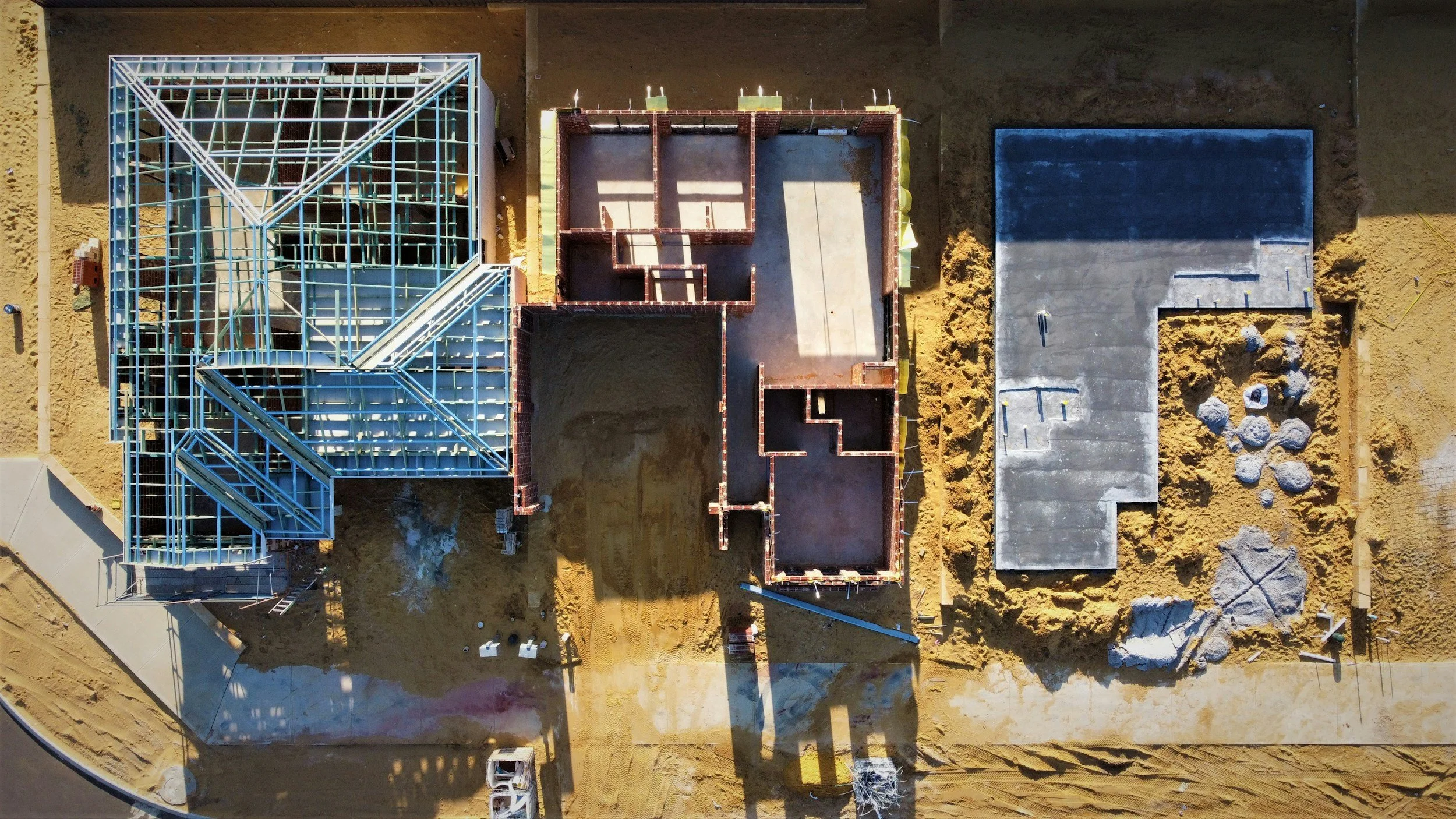
Site Evaluation and Engineering Analysis
The process of preparing a site for construction typically begins with engineering and site evaluation.
Before any work begins, the project team evaluates factors such as:
soil conditions
topography and elevation changes
drainage patterns
access to roads and infrastructure
environmental considerations
Geotechnical engineers often conduct soil testing to determine whether the ground can support the planned structure. Soil conditions influence foundation design, excavation requirements, and grading strategies.
Understanding these conditions early helps prevent costly adjustments later in the construction process.
Permitting and Regulatory Approvals
Commercial construction projects must comply with local zoning regulations, environmental requirements, and building codes before site work begins.
This stage may include:
zoning verification
grading and erosion control permits
stormwater management approvals
utility connection approvals
environmental or site impact reviews
Local jurisdictions review site plans to ensure the project meets safety, infrastructure, and environmental standards.
Obtaining these approvals is an essential step before physical construction work can proceed.
Land Clearing and Site Preparation
Once permits are approved, the site can be physically prepared for development.
This phase often includes:
removing vegetation or trees
clearing debris or existing structures
stripping topsoil
preparing construction access routes
Topsoil is usually stockpiled so it can be reused later during landscaping. Clearing the site allows excavation and grading equipment to operate safely and efficiently.
Proper preparation during this stage helps avoid delays once heavier construction activity begins.
Excavation and Grading
Grading and excavation are critical steps in making a site ready for construction.
Contractors reshape the land according to engineered grading plans to create the correct building elevations and drainage patterns.
This work may involve:
cutting and filling soil to achieve proper elevations
preparing the building pad
establishing slopes for stormwater runoff
stabilizing soil where necessary
Proper grading ensures that water drains away from structures and prevents long-term issues such as erosion or foundation problems.
Stormwater Management Systems
Stormwater management is a key requirement for most commercial construction projects.
Local regulations typically require developments to control how rainwater flows across the site. This helps prevent flooding, erosion, and pollution of nearby waterways.
Stormwater systems may include:
detention or retention ponds
underground drainage systems
catch basins and piping
bioswales or infiltration systems
These systems are often installed early in the construction process because they control water flow during both construction and the building’s long-term operation.
Underground Utility Installation
Before foundations are poured, essential utilities must be installed below ground.
These may include:
water service lines
sanitary sewer connections
stormwater drainage pipes
electrical conduits
communication and data lines
Installing utilities during early site development prevents the need for later excavation that could disrupt completed work.
Utility installation typically requires inspections to confirm that the systems meet engineering and safety standards.
Site Access and Infrastructure
A build-ready commercial site also requires proper access for both construction and future use.
Infrastructure improvements may include:
construction entrances and access roads
curb and gutter installation
sidewalks and pedestrian access
parking lot grading and preparation
Access planning ensures that construction equipment can safely operate on the site and that the completed development will meet transportation and accessibility requirements.
Preparing the Building Pad
One of the final steps before vertical construction begins is preparing the building pad, which is the compacted area where the structure will be built.
This process typically involves:
placing engineered fill
compacting soil to required density
verifying elevations and grading
completing final inspections
Proper compaction is essential to prevent settling and structural issues once the building is constructed.
When a Site Is Truly Build-Ready
A site is considered build-ready once the following elements are complete:
engineering and soil analysis
permits and regulatory approvals
clearing and grading
stormwater infrastructure
underground utilities
access and site infrastructure
building pad preparation
Only after these steps are finished can the project move into foundation work and vertical construction.
While these early phases often happen before the building itself becomes visible, they form the foundation of every successful commercial construction project. Proper site preparation ensures that the structure can be built safely, efficiently, and in accordance with engineering standards.
Frequently Asked Questions
-
A site is considered build-ready when the necessary engineering, permits, grading, utilities, and infrastructure are in place so that foundation construction can begin. At this stage, the land has been prepared to safely support the structure and meet local development requirements.
-
The timeline varies depending on the size of the project, site conditions, and permitting requirements. Site preparation can take anywhere from several weeks to several months, especially if grading, utility installation, or stormwater infrastructure is required before construction begins.
-
Soil testing helps engineers determine whether the ground can support the planned building. The results influence foundation design, excavation depth, and soil stabilization methods. Identifying soil conditions early helps prevent structural issues and unexpected costs later in the project.
-
Before foundation work starts, underground utilities are typically installed. These may include water service lines, sanitary sewer connections, storm drainage systems, electrical conduits, and communication lines.
Installing utilities early prevents the need for excavation after the building structure is in place.
-
Grading shapes the land to ensure proper drainage and building elevation. Correct grading directs water away from the structure and helps prevent issues such as erosion, flooding, or foundation damage.
Proper site grading is one of the most important steps in preparing land for commercial construction.