Why Construction Projects Sometimes Appear “Inactive” — Even When Work Is Progressing
Construction projects rarely move in a perfectly linear, visible way. There are periods when activity on site is obvious — crews working, equipment moving, structures rising — and other periods when a project may appear quiet from the outside.
For stakeholders reviewing project timelines, financing progress, or development performance, it is important to understand that these quieter phases are often a normal and necessary part of the construction process. In many cases, significant progress is occurring even when visible activity temporarily slows.
Construction schedules are built around sequencing, inspections, and coordination. These elements often create short pauses between phases, even while the overall project continues to move forward.
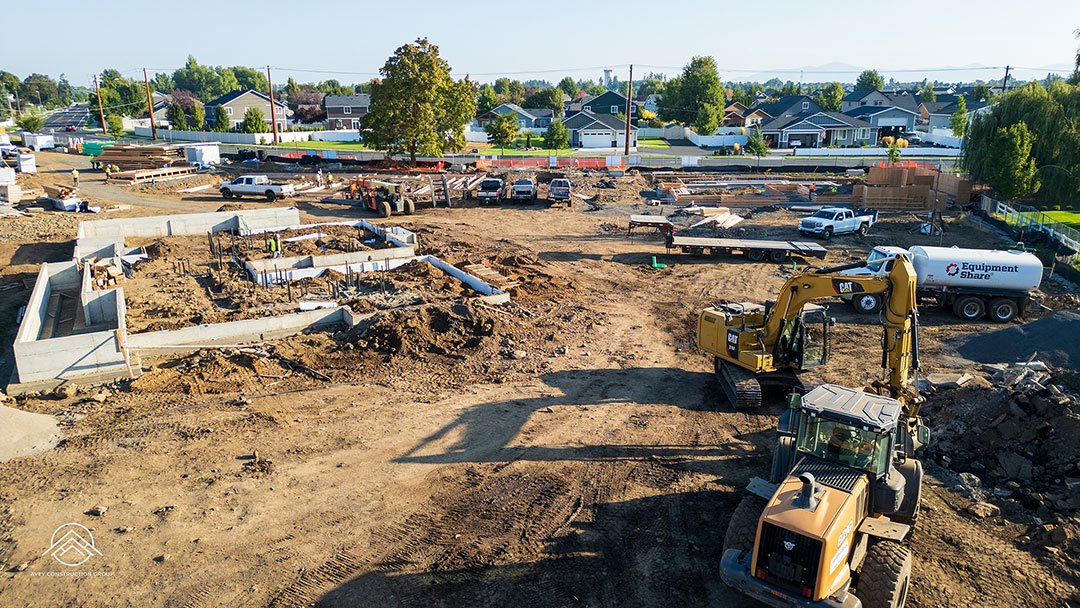
Source: Avey Construction
Construction Projects Move Through Structured Phases
Every construction project progresses through a series of defined stages. Each phase typically must be completed before the next can begin, creating a schedule where visible activity naturally fluctuates over time.
Typical phases include:
Site preparation and excavation
Underground utilities and infrastructure
Foundations and structural work
Framing and building envelope installation
Mechanical, electrical, and plumbing systems
Interior construction and finishes
To coordinate these activities, most construction teams use structured scheduling methods such as the Critical Path Method (CPM). These systems map out dependencies between tasks so that subcontractors, inspections, and material deliveries align with the overall timeline.
Because many steps depend on the completion of earlier work, short pauses between phases are common while the next stage of construction is prepared.
Inspections Are Built Into the Construction Timeline
Building inspections are another reason a construction site may appear temporarily inactive.
Throughout the construction process, projects must pass multiple inspection stages to verify that work complies with building codes and safety standards. These inspections often occur after key milestones such as:
underground utilities installation
foundation reinforcement and concrete work
structural framing
electrical and plumbing rough-in
fire and life-safety systems
Across the United States, building departments conduct millions of construction inspections each year as part of enforcing building safety codes. These inspections are a standard and necessary part of development, helping ensure that structures meet required safety and engineering standards (International Code Council).
While waiting for inspection approval, crews often prepare upcoming work, coordinate deliveries, or schedule the next trade, which can make the site appear quieter during that time.
Material Deliveries Must Be Carefully Timed
Construction projects depend on the precise timing of material deliveries. Many key components are manufactured off site and delivered only when the project is ready for installation.
Common examples include:
structural steel
engineered wood products and roof trusses
windows and exterior building systems
HVAC equipment
electrical panels and mechanical equipment
Industry surveys show that more than half of contractors still experience occasional supply chain or delivery timing challenges, even as global supply conditions continue to improve (Associated General Contractors of America).
Because materials are scheduled to arrive close to installation, short waiting periods between deliveries can occur. During these times, the site may appear inactive while teams prepare for the next installation phase.
Multiple Trades Must Work in Sequence
Modern construction projects involve many specialized contractors working in a carefully coordinated order.
Typical trades involved on a project include:
excavation and grading contractors
concrete crews
framing teams
electricians
plumbers
HVAC installers
roofing contractors
interior finish trades
Each trade operates within a defined window of the project schedule. For example, mechanical and electrical rough-in work cannot begin until structural framing is completed, and drywall installation cannot begin until inspections have been approved.
Large projects often involve dozens of subcontractors, making sequencing and coordination critical for keeping the schedule on track. Transitions between trades can naturally create short periods when activity on site slows.
Weather and Site Conditions Can Affect Construction
Weather conditions can also influence the pace of construction activity.
Certain types of work — such as excavation, concrete placement, paving, and roofing — depend heavily on site conditions and temperature. Industry research has found that weather-related disruptions are among the most common contributors to short-term construction schedule interruptions (McKinsey & Company — Construction Productivity Research).
In regions like the Inland Northwest, winter temperatures, precipitation, and freeze-thaw cycles can temporarily affect site conditions. During these periods, project teams often focus on planning, coordination, and preparation for upcoming phases of work.
Important Work Happens Behind the Scenes
Not all construction progress occurs on the jobsite.
Even when visible activity slows, project teams are often working on critical tasks such as:
reviewing engineering plans and shop drawings
coordinating subcontractor schedules
ordering long-lead materials
preparing documentation for inspections
updating project budgets and timelines
These behind-the-scenes activities play a major role in keeping projects organized and aligned with the overall construction schedule.
In many cases, the coordination happening off site determines how smoothly the next phase of construction will proceed.
Temporary Pauses Are a Normal Part of Construction
Construction progress is best measured through milestones and completed phases, not by constant daily activity.
A project that appears inactive for a few days may simply be:
awaiting inspection approval
coordinating material deliveries
transitioning between subcontractors
preparing for the next stage of work
Once those steps are completed, visible activity typically resumes quickly.
Short pauses are simply part of managing complex construction projects. While a site may occasionally appear quiet, important work is often happening behind the scenes to keep the project moving forward safely and efficiently.
Frequently Asked Questions
-
Construction sites may appear inactive when projects are transitioning between phases. During these periods, crews may be waiting for inspections, scheduled material deliveries, or the arrival of the next subcontractor. While visible activity may slow temporarily, planning and coordination work often continues behind the scenes.
-
Yes. Short pauses are a normal part of construction scheduling. Projects move through multiple stages that require inspections, approvals, and coordination between different trades. These transitions can create brief periods when activity on site is less visible.
-
Not necessarily. A quiet jobsite often means the project is waiting for the next scheduled phase of work to begin. In many cases, crews are preparing materials, coordinating subcontractors, or completing administrative steps required before work continues.
-
Construction progress is typically measured through completed milestones rather than daily activity. Examples include completed foundations, finished framing, approved inspections, or installation of major building systems. These milestones help track whether the project is moving according to the overall schedule.
Sources:
International Code Council — Building Safety & Inspection Data
Associated General Contractors of America — Construction Supply Chain Surveys
McKinsey & Company — Construction Productivity Research
Project Management Institute — Construction Project Scheduling Practices