Building Townhome Neighborhoods in Spokane: What Experienced Builders Do Differently
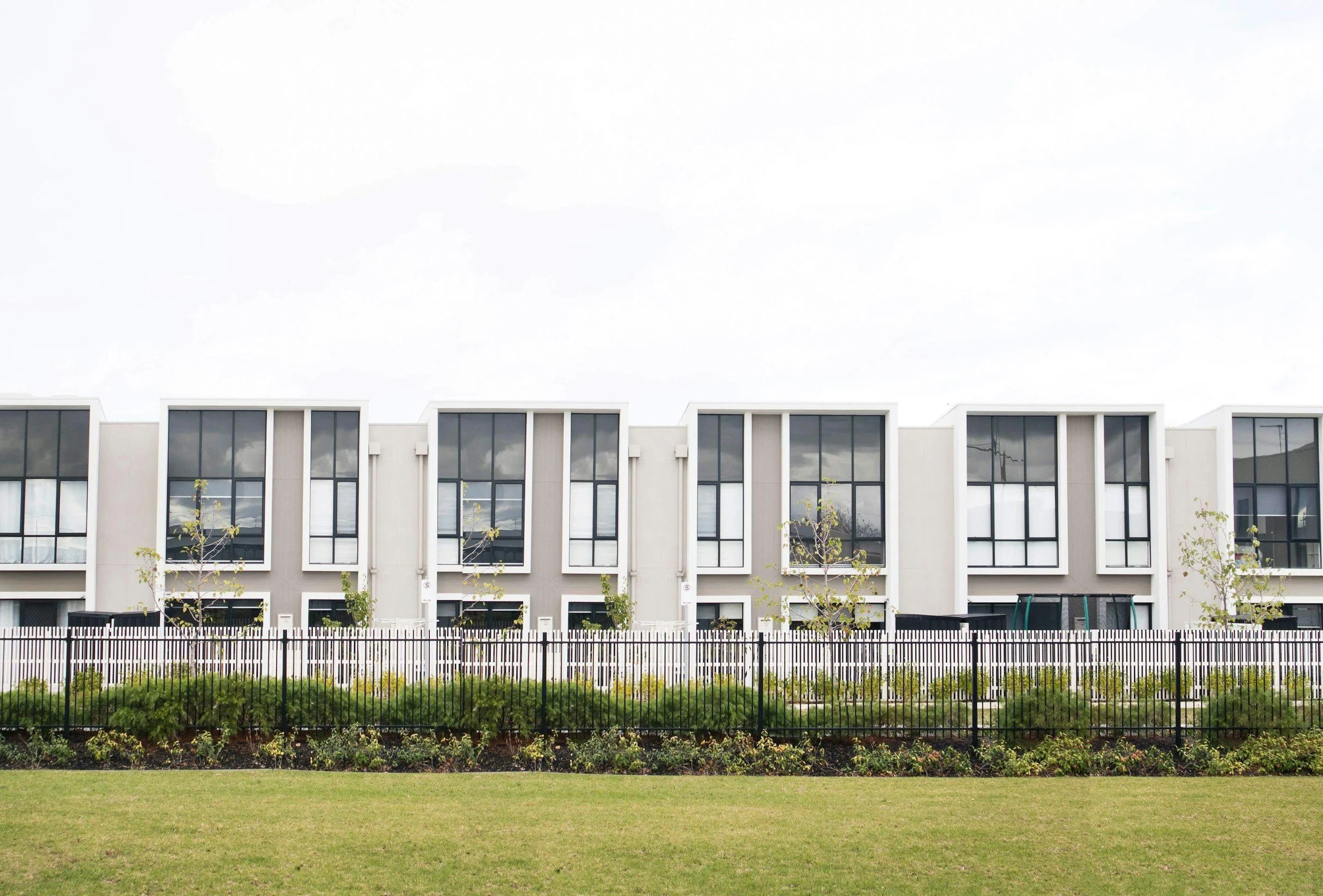
Townhome neighborhoods are becoming an increasingly important part of Spokane’s commercial construction landscape. As land availability tightens and housing demand continues to grow, developers are turning to townhome projects as a balanced solution between single-family homes and larger multifamily buildings.
While townhomes may appear straightforward from the outside, successful execution requires careful planning, coordination, and local expertise. Experienced builders approach these projects differently — especially in Spokane, where site conditions, permitting processes, and seasonal construction realities all influence outcomes.
As discussed in our overview of why townhome neighborhoods are gaining momentum in Spokane, this shift reflects broader changes in how housing projects are planned and executed across the region.
Understanding Spokane’s Development Environment
Building townhome neighborhoods in Spokane requires a strong understanding of local factors, including:
Zoning and density regulations
Infrastructure and utility coordination
Soil conditions and grading requirements
Weather impacts on scheduling
Inspection and permitting timelines
Each of these elements affects cost, scheduling, and long-term project performance. Builders with local experience can anticipate these variables early — before they create delays or unexpected expenses.
Prioritizing Site Planning and Infrastructure
One of the key differences between townhome construction and larger multifamily projects is the distribution of infrastructure across multiple attached units.
Experienced builders focus on:
Efficient utility layout across all units
Coordinated grading to manage drainage
Access planning for construction equipment
Phased construction sequencing
Proper early planning helps reduce rework and keeps development timelines predictable.
Coordinated Phasing and Scheduling
Townhome neighborhoods are often built in phases. Managing those phases effectively requires careful scheduling of:
Foundations and framing
Mechanical, electrical, and plumbing installation
Exterior work and shared infrastructure
Final inspections and turnover
Builders who regularly execute townhome projects understand how to streamline these phases while minimizing disruption to surrounding areas.
Managing Construction in Active Neighborhoods
Many townhome developments in Spokane are built within or near existing residential communities. This introduces additional considerations such as:
Traffic flow and equipment access
Noise management
Safety protocols
Communication with nearby residents
Experienced teams proactively manage these challenges to maintain professionalism and reduce friction throughout the build.
Early Contractor Involvement Makes a Difference
Townhome projects benefit significantly from early collaboration between developers, designers, and construction teams.
When contractors are involved early, they can:
Identify constructability issues before final design
Improve budget accuracy
Refine scheduling assumptions
Reduce change orders
This early coordination is particularly important in Spokane’s commercial construction environment, where site conditions and permitting timelines can vary.
Building Long-Term Value
Well-executed townhome neighborhoods do more than meet immediate housing demand. They create long-term value through:
Durable construction practices
Thoughtful infrastructure layout
Predictable maintenance planning
Efficient site utilization
As Spokane continues to grow, townhome developments will remain an important part of the region’s housing strategy. Working with an experienced local builder helps ensure these projects perform well both during construction and long after completion.
If you are planning a townhome development in Spokane, early coordination and local construction expertise can help streamline the process and protect your investment.
FAQ
-
Townhome construction typically involves multiple attached units with separate entrances, utilities, and ownership structures. Unlike large multifamily buildings, townhome projects require careful coordination of infrastructure across individual units while maintaining efficiency in layout, access, and construction sequencing.
-
Project timelines vary depending on site conditions, permitting, weather, and project size. In general, townhome developments are often built in phases, with site preparation, infrastructure installation, vertical construction, and final inspections occurring in coordinated stages.
-
Common challenges include:
Utility coordination across multiple units
Grading and drainage management
Permitting timelines
Seasonal weather impacts
Construction access within residential areas
Experienced local builders anticipate these variables early in the planning process.
-
Professional construction teams manage staging areas, coordinate deliveries, follow permitted work hours, and implement safety and traffic control measures. Clear communication and organized site management help reduce impact on nearby residents.
-
Key considerations include zoning requirements, site constraints, infrastructure capacity, permitting timelines, market demand, and seasonal construction factors. Working with an experienced local construction team helps align these variables early.