Commercial Construction in Spokane: Why Townhome Neighborhoods Are Gaining Momentum
Spokane’s commercial construction landscape is evolving as developers respond to population growth, housing demand, and changing land-use priorities. Among the most noticeable shifts is the growing interest in townhome neighborhoods—a development model that balances density, livability, and long-term value.
Rather than a passing trend, townhome communities are becoming a strategic component of commercial and multifamily construction projects across Spokane and Eastern Washington. Understanding why this momentum is building helps developers, investors, and project partners make better long-term decisions.
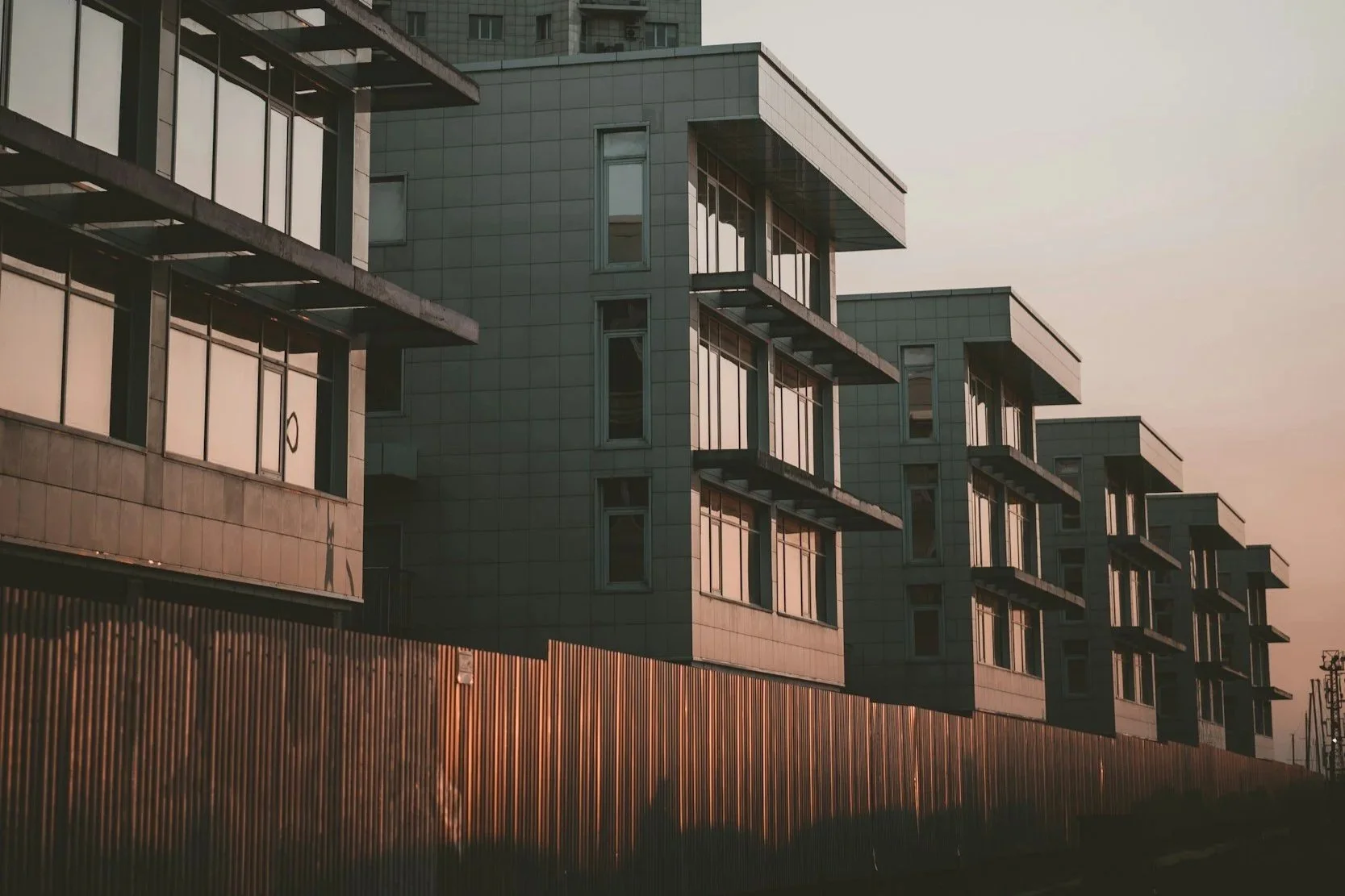
Spokane’s Commercial Construction Market Is Evolving
Over the past several years, Spokane has experienced steady growth driven by regional migration, employment expansion, and infrastructure investment. As available land becomes more limited and zoning regulations encourage efficient use of space, developers are reevaluating traditional housing models.
Commercial construction in Spokane increasingly requires solutions that:
Use land efficiently
Integrate well into existing neighborhoods
Support long-term market demand
Align with local planning and zoning goals
Townhome developments fit naturally into this environment, offering a middle ground between single-family housing and larger apartment complexes.
Why Townhome Neighborhoods Fit Spokane’s Growth Pattern
Townhome communities respond to several challenges facing Spokane’s housing market:
Density without high-rise scale
Townhomes increase unit count while maintaining a neighborhood feel that aligns with surrounding development.Flexible ownership and rental models
Developers can design projects for for-sale, rental, or mixed-use strategies depending on market needs.Compatibility with infill and transitional areas
Townhomes work well in locations where large multifamily buildings may not be appropriate.Appeal to a broad buyer demographic
From first-time buyers to downsizing homeowners, townhomes attract a wide range of residents.
These factors make townhome neighborhoods a practical option as Spokane continues to grow outward and inward at the same time.
How Townhome Developments Impact Commercial Construction
From a construction perspective, townhome neighborhoods introduce a different set of considerations compared to traditional multifamily projects.
Commercial construction teams must account for:
Coordinated site planning and grading
Utility layout across multiple connected units
Phased construction schedules
Access, staging, and neighborhood impact during the build
While these projects often benefit from repeatable building systems, they still require careful coordination—especially in Spokane, where weather, soil conditions, and permitting processes can significantly affect timelines.
What This Trend Means for Developers and Investors
For developers and investors, the rise of townhome neighborhoods presents several strategic advantages:
Improved land utilization in high-demand areas
Predictable construction sequencing compared to larger multifamily builds
Strong long-term market demand driven by changing housing preferences
Greater flexibility in project scale, allowing developments to align more closely with neighborhood context
As zoning and planning frameworks continue to evolve, townhome projects can offer a balanced approach to growth while mitigating some of the risks associated with larger, more complex developments.
Building the Right Team for Townhome Projects in Spokane
Successful townhome neighborhoods depend on early coordination between developers, designers, and construction teams. Local experience plays a critical role in navigating Spokane’s permitting environment, infrastructure requirements, and seasonal construction challenges.
Early contractor involvement helps:
Identify site constraints before design is finalized
Streamline permitting and inspection processes
Improve construction efficiency and scheduling
Reduce surprises during excavation, utilities, and vertical construction
For commercial construction projects in Spokane, having a team that understands local conditions can make a measurable difference in project outcomes.
Local Experience Matters in Spokane Commercial Construction
Townhome developments are not one-size-fits-all projects. Each site presents unique challenges related to zoning, utilities, access, and surrounding development. Experience with Spokane’s commercial construction environment allows project teams to anticipate these challenges and plan accordingly.
Whether part of a larger multifamily strategy or a standalone neighborhood, townhome projects benefit from builders who understand how local conditions influence cost, schedule, and constructability.
Looking Ahead
As Spokane continues to grow, townhome neighborhoods are expected to remain an important part of the region’s commercial construction landscape. Developers are increasingly using this model to balance density, livability, and long-term value while responding to market demand.
In future articles, we’ll take a closer look at how experienced builders approach townhome construction in Spokane, design considerations that support long-term performance, and land-use strategies that maximize development potential.