Building a 72-Unit Apartment in Spokane: Process, Timeline, and What Developers Should Expect
Delivering a 72-unit apartment project in Spokane, Washington requires more than plans and permits. It is a coordinated process that involves site preparation, underground utilities, inspections, scheduling, and continuous decision-making at every stage.
For developers, understanding what happens behind the scenes is critical, because early decisions directly influence cost, timeline, and overall project performance.
The insights below are based on active multifamily construction experience across Spokane and Eastern Washington, where local conditions, permitting processes, and climate all play a significant role.
This guide breaks down the real process of commercial construction in Spokane, with a focus on multifamily apartment projects.
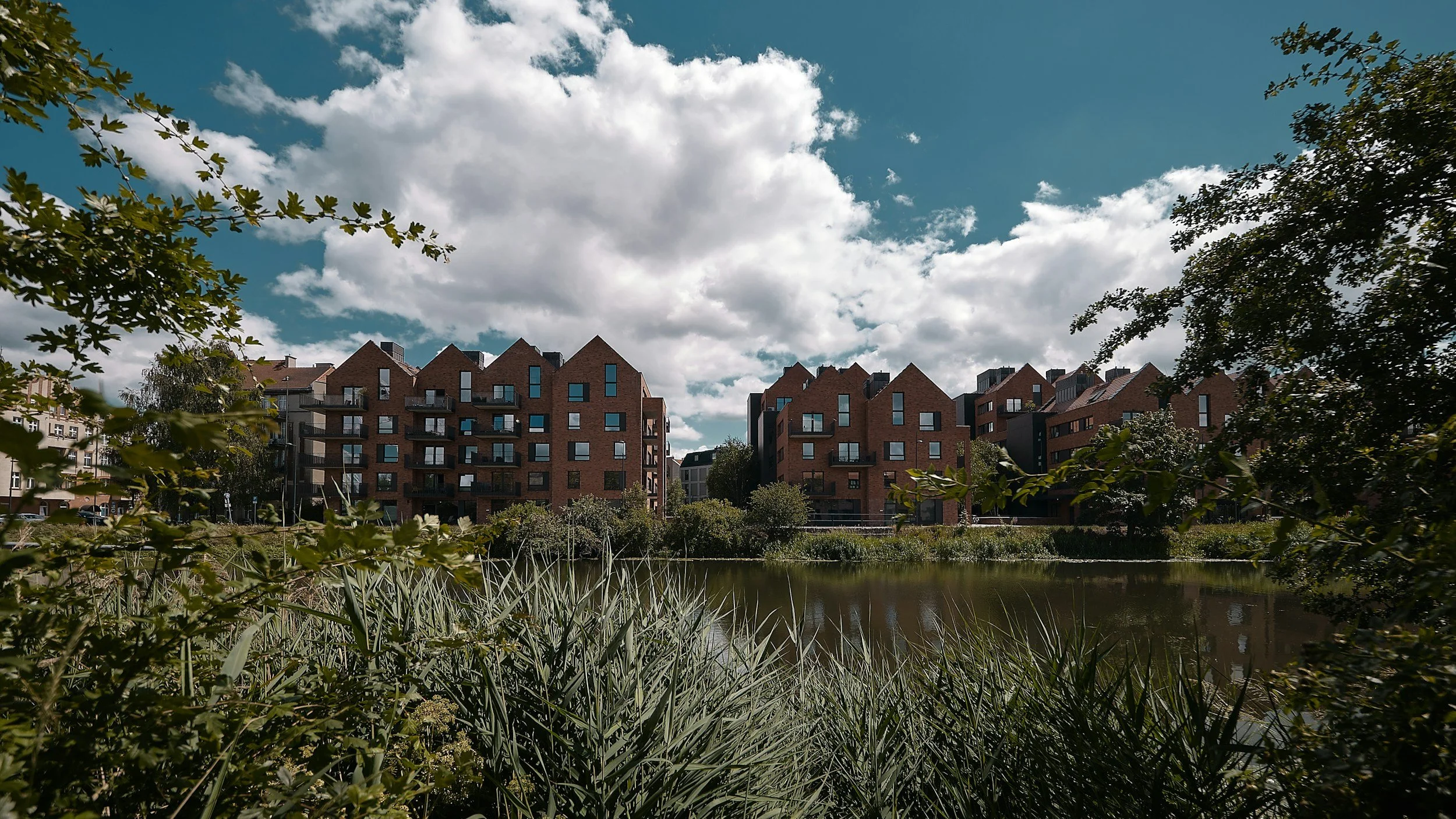
Spokane Multifamily Construction: Local Market Context
Spokane continues to experience steady demand for multifamily housing, particularly in areas such as Five Mile Prairie, North Spokane, Spokane Valley, Liberty Lake, and growing infill locations closer to downtown.
This demand is driven by several factors, including population growth in the Spokane metro area, limited housing inventory, and a continued shift toward rental housing over homeownership.
As a result, multifamily construction in Spokane has become one of the most active and competitive sectors in the regional construction market, with developers looking for efficient ways to deliver projects on time and within budget.
Phase 1: Preconstruction and Planning
This phase determines how efficiently the entire project will run, because decisions made during preconstruction directly affect cost, scheduling, and how smoothly each stage of construction progresses.
Scope includes:
Site feasibility and due diligence
Civil engineering and grading plans
Utility design (water, sewer, stormwater)
Budgeting and value engineering
Coordination with City of Spokane permitting
Spokane-specific considerations:
Construction in Spokane comes with several local factors that must be addressed early. Basalt rock conditions are common and can significantly increase excavation time and cost if not identified during planning. In addition, stormwater systems are often required depending on site conditions and local regulations.
Frost depth, which is typically around 36 inches in this region, also impacts how underground utilities are designed and installed.
Field insight:
Projects that are thoroughly coordinated during preconstruction tend to move significantly faster once construction begins, because fewer unknowns remain.
Phase 2: Site Work and Excavation
Before any vertical construction can begin, the site must be fully prepared, and this phase often sets the tone for the rest of the project.
Scope includes:
Land clearing and grubbing
Mass grading and building pad preparation
Underground utilities installation
Stormwater system installation
Export and import balancing
Real Spokane condition:
On a recent multifamily project in Spokane, excavation encountered significant basalt layers that were not fully exposed during initial site review. This required additional hammering and material export, which extended the site work phase by approximately two weeks.
This type of condition is not unusual in the Inland Northwest, and it highlights why early planning and contingencies are important.
What developers should expect:
Site work is highly sensitive to weather conditions, especially during winter months when freeze-thaw cycles can slow progress. In addition, inspections must often be completed before backfilling or moving to the next stage, which requires coordination with local inspectors.
Phase 3: Foundations and Underground Infrastructure
Once the site is properly prepared, the project moves into structural work, starting with foundations and underground systems.
Typical steps:
Footings and foundation walls
Underground plumbing and electrical
Slab preparation
Backfill and compaction
At this stage, inspection sequencing becomes critical, because each step must be approved before the next can proceed. Missing or delaying an inspection can pause work on-site and create delays that affect multiple trades.
Phase 4: Framing and Structural Build-Out
This is the stage where the project becomes visible, and progress is more apparent to both developers and the public.
Includes:
Wood framing systems (most common in Spokane multifamily projects)
Floor and roof systems
Structural sheathing
In Spokane, wood-framed construction continues to be the standard approach for apartment buildings, although interest in mass timber and CLT construction is gradually increasing in the region.
As framing progresses, the number of workers on-site increases significantly, and scheduling becomes more complex, requiring close coordination between crews.
Phase 5: MEP Rough-Ins and Exterior Systems
At this stage, multiple trades begin working in parallel, which increases both efficiency and complexity.
MEP systems:
Electrical rough-in
Plumbing systems
HVAC installation
Exterior work:
Roofing systems
Windows and doors
Weather-resistant barriers
Coordination becomes especially important here, because delays in one trade can quickly impact others. For example, if electrical rough-in is delayed, it can affect insulation, drywall, and finishing schedules.
Phase 6: Interior Construction and Finishes
As the building structure and systems are completed, the project shifts toward interior work and final finishes.
Interior scope:
Insulation and drywall
Flooring, cabinetry, and trim
Painting and finish work
Exterior completion:
Siding and façade
Parking areas and sidewalks
Landscaping
At this stage, the focus shifts heavily toward quality control and punch list management, as the project approaches completion.
Phase 7: Inspections, Turnover, and Completion
Final approvals determine when the building can be occupied and begin generating revenue.
Includes:
City of Spokane inspections
Life safety and fire system testing
Final walkthroughs
Certificate of Occupancy
Inspection scheduling can influence the final timeline, especially if multiple systems need approval at the same time. Early coordination with inspectors helps reduce the risk of delays.
Typical Timeline for a 72-Unit Apartment Project in Spokane
While every project is different, a typical timeline for a 72-unit apartment project in Spokane looks like this:
Preconstruction: 2–4 months
Site work and utilities: 2–3 months
Framing and dry-in: 3–5 months
Interior and finishes: 4–6 months
Total duration: approximately 12–18 months
The timeline can vary depending on site conditions, weather, permitting timelines, and trade availability, all of which are common variables in Spokane construction projects.
Common Challenges in Spokane Apartment Construction
1. Site Conditions
Basalt rock and variable soil conditions are common in the Spokane area, and they can significantly impact excavation time and overall cost if not identified early.
2. Weather
Winter conditions in Eastern Washington can slow excavation, concrete work, and general site productivity.
3. Permitting
City review timelines can vary depending on project complexity and workload.
4. Trade Coordination
As multiple trades work simultaneously, even small delays can create a ripple effect across the schedule.
5. Cost Control
Material pricing and labor availability can shift during the project, requiring ongoing cost management.
What Makes a Project Successful
Successful multifamily projects in Spokane typically share a few key characteristics.
They are well planned during preconstruction, use experienced local contractors, maintain clear communication between all parties, and follow realistic schedules that account for local conditions.
Projects that coordinate early with inspectors and subcontractors tend to experience fewer delays and smoother execution overall.
Why Local Experience Matters in Spokane Construction
Working with a contractor who understands commercial construction in Spokane provides a measurable advantage, because local experience directly impacts how challenges are handled.
This includes understanding Spokane’s soil and rock conditions, navigating the City of Spokane permitting process, coordinating inspections efficiently, and planning around Eastern Washington’s climate.
It also includes having established relationships with reliable subcontractors, which helps maintain schedule and quality.
Final Thoughts
A 72-unit apartment project is not a simple sequence of steps. It is a coordinated system where each phase depends on the one before it.
Delays or issues early in the project can affect everything that follows, which is why planning, coordination, and experience play such a critical role.
Developers who understand the process and work with experienced teams are better positioned to deliver projects on time and within budget.
FAQ: Multifamily Construction in Spokane
-
Most projects take between 12 and 18 months, depending on site conditions, weather, and approvals.
-
Unexpected site conditions, especially rock and drainage issues, are the most common risks.
-
Yes. Demand for rental housing remains strong due to population growth and limited inventory.
-
Preconstruction includes planning, design, permitting, budgeting, and coordination.
-
Yes. Inspection timing can impact multiple phases if not coordinated properly.