Lakefront Property Investment: 10 Renovation Priorities to Maximize ROI for STR and Resale
Investing in lakefront cabins in the Inland Northwest can be highly profitable when renovations are aligned with rental demand, guest expectations, and long-term resale value. As more travelers seek unique water-side stays and rental markets become more competitive, strategic renovation decisions influence occupancy, nightly rates, review scores, and asset performance over time.
This guide focuses on practical, investor-centric renovation priorities that strengthen ROI (return on investment) by enhancing usability, reducing operational risk, and improving market positioning — without unnecessary cost or speculative design trends.
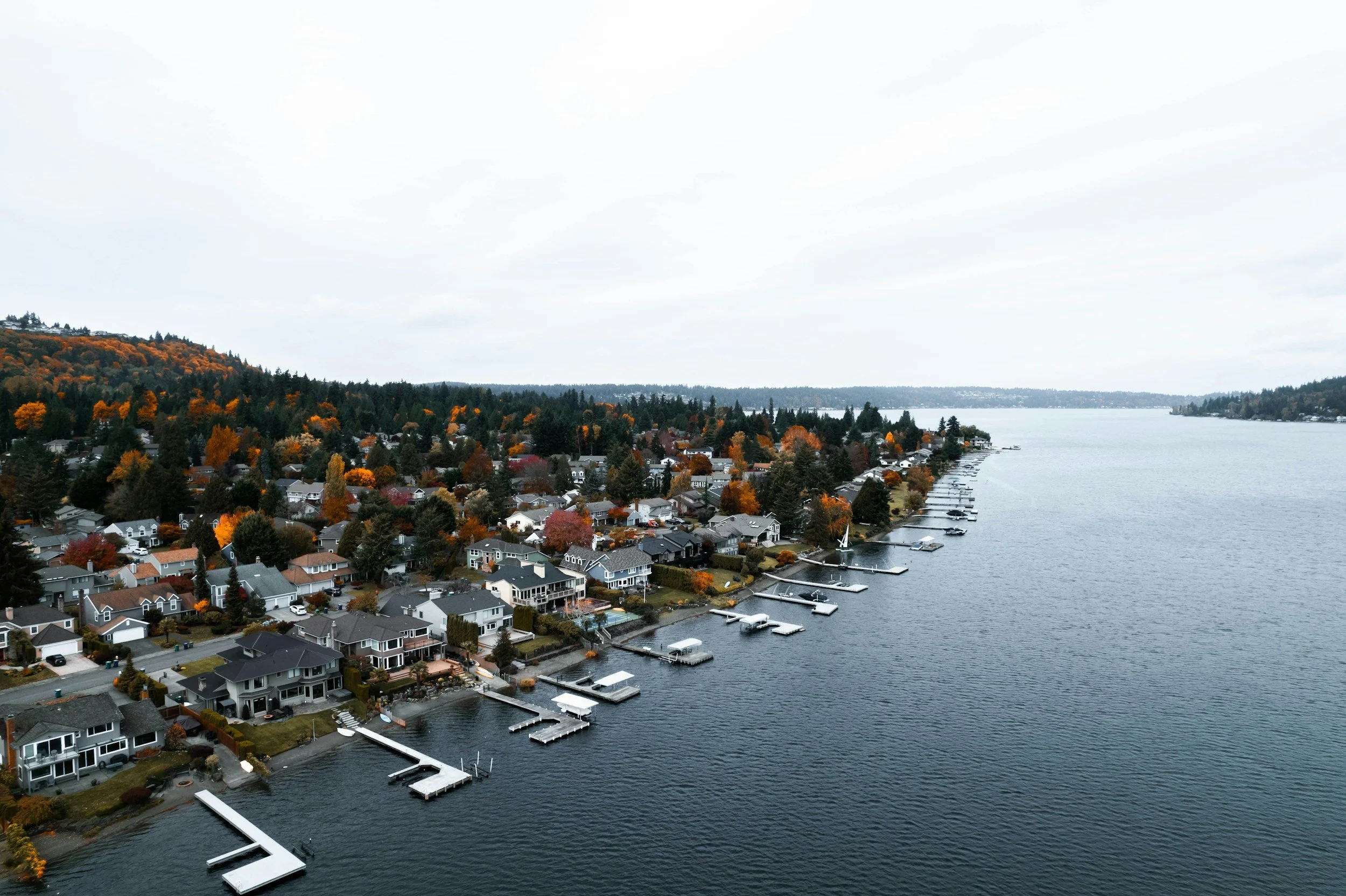
What Is Lakefront Property Investment?
Lakefront property investment refers to acquiring, improving, and operating waterfront real estate with the goal of generating income and long-term appreciation. For many investors, this includes short-term rental (STR) strategies, seasonal or year-round leasing, and eventual resale.
Unlike standard residential properties, lakefront assets carry unique advantages and risks. Their value is influenced not only by interior condition, but also by shoreline access, environmental exposure, seasonal usability, and the overall guest experience connected to the water.
Strong lakefront investments are built on three pillars:
Consistent rental performance
Controlled operating and maintenance costs
Sustained long-term asset value
Renovation strategy plays a central role in all three.
Why Renovation Strategy Matters for Lakefront ROI
Renovation is the primary mechanism investors use to influence both short-term performance and long-term asset value in lakefront property investment. The right upgrades improve booking conversion, guest satisfaction, operating efficiency, and resale positioning.
When renovation planning aligns with market demand and guest behavior, each improvement becomes a measurable contributor to revenue growth and risk reduction.
Core Renovation Priorities for Lakefront Investors
The following renovation priorities focus on the improvements that most directly influence rental performance, guest satisfaction, operating efficiency, and long-term asset value. Each area represents a high-impact opportunity to strengthen ROI while reducing operational risk and improving market competitiveness.
1. Define Your Market Positioning Before Spending Capital
Every successful lakefront investment begins with a clear understanding of its target market and intended guest experience. This positioning determines renovation scope, pricing power, and future demand.
Two common positioning models dominate lakefront STR performance:
Classic Cabin Experience
Appeals to guests seeking warmth, tradition, and a relaxed lakeside atmosphere.Modern Lake Stay
Appeals to guests seeking clean lines, updated finishes, and a contemporary retreat.
Clear positioning ensures that every renovation dollar supports revenue goals rather than producing an inconsistent product.
2. Prioritize Guest Comfort as a Revenue Driver
Guest comfort directly influences booking conversion, length of stay, and review quality.
High-impact comfort upgrades include:
Premium mattresses and bedding
Layered lighting for day and evening use
Functional storage for luggage and outdoor gear
Reliable heating and cooling systems
Comfort improvements consistently correlate with stronger guest reviews and improved occupancy.
3. Upgrade Core Systems Before Cosmetic Improvements
Lakefront cabins often conceal aging infrastructure. Renovation planning should begin with systems that protect operational stability:
Electrical capacity and panels
Plumbing reliability and water quality
Insulation and moisture management
Window and exterior envelope performance
These upgrades reduce long-term maintenance risk and protect rental uptime.
4. Design for All-Season Performance
Properties that operate year-round produce higher annual returns and smoother cash flow.
Effective all-season upgrades include:
Efficient HVAC systems
Moisture-resistant flooring
Entry zones for wet and sandy gear
Enhanced insulation for winter use
Expanding seasonal usability directly improves revenue potential.
5. Improve Privacy and Layout Efficiency
Privacy significantly affects guest satisfaction and perceived value, particularly in clustered cabin developments.
Key improvements include:
Strategic landscaping buffers
Defined outdoor zones for each unit
Sound insulation during interior renovations
Thoughtful placement of windows, decks, and pathways
Privacy upgrades support higher nightly rates and repeat bookings.
6. Renovate Kitchens and Bathrooms for Today’s Standards
Kitchens and bathrooms consistently deliver the strongest ROI among interior upgrades.
Focus areas:
Functional layouts and circulation
Durable, easy-to-clean materials
High-quality fixtures and ventilation
Ample lighting and storage
Well-executed kitchens and bathrooms raise both guest satisfaction and resale appeal.
7. Expand and Enhance Outdoor Living Spaces
Outdoor amenities are core to lakefront value.
High-performing additions include:
Private decks or patios
Fire pit areas where permitted
Comfortable outdoor seating
Exterior lighting for evening use
Safe, direct access to the shoreline
Outdoor enhancements materially improve listing appeal and guest experience.
8. Strengthen Shoreline Access and Safety
Safe and convenient shoreline access protects guests and minimizes liability.
Essential upgrades:
Stable walking paths and non-slip surfaces
Railings and steps where necessary
Adequate nighttime lighting
Durable materials designed for wet environments
Safety improvements support both operational security and guest confidence.
9. Maintain Cohesive Standards Across the Property
Consistency across multiple units strengthens brand identity and simplifies operations.
Implement:
Unified design standards
Coordinated exterior improvements
Consistent material and finish specifications
Controlled variation for character while maintaining quality
Cohesion improves marketing efficiency and operational predictability.
10. Preserve Long-Term Exit Flexibility
Renovations should serve both current STR performance and future resale.
Best practices:
Avoid highly themed or niche designs
Use timeless, durable materials
Maintain flexible layouts for multiple future uses
Balanced renovation decisions protect asset value across market cycles.
Renovation Strategy Should Support Both Revenue and Asset Value
Lakefront property investment succeeds when renovation decisions improve guest experience, protect operations, and strengthen long-term asset performance. By focusing on comfort, durability, privacy, and flexibility, investors position their properties for stronger returns today and greater value tomorrow.
FAQ
-
Both perform well when executed consistently and with quality. Success depends on alignment with target guests and market demand.
-
They should meet the same performance and quality standard, even if minor variations exist.
-
Guest comfort, kitchen and bathroom quality, outdoor living areas, privacy, and all-season usability.